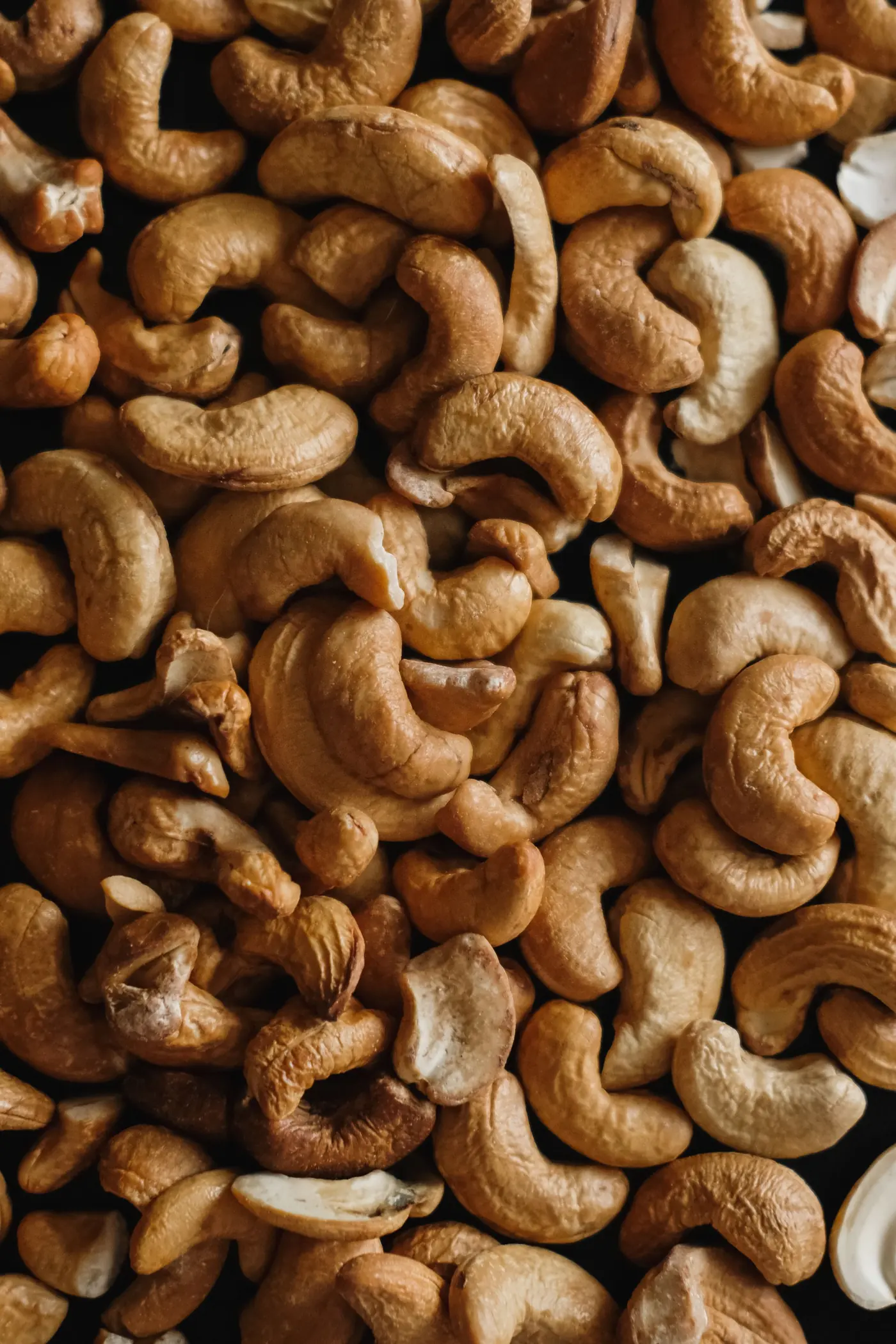
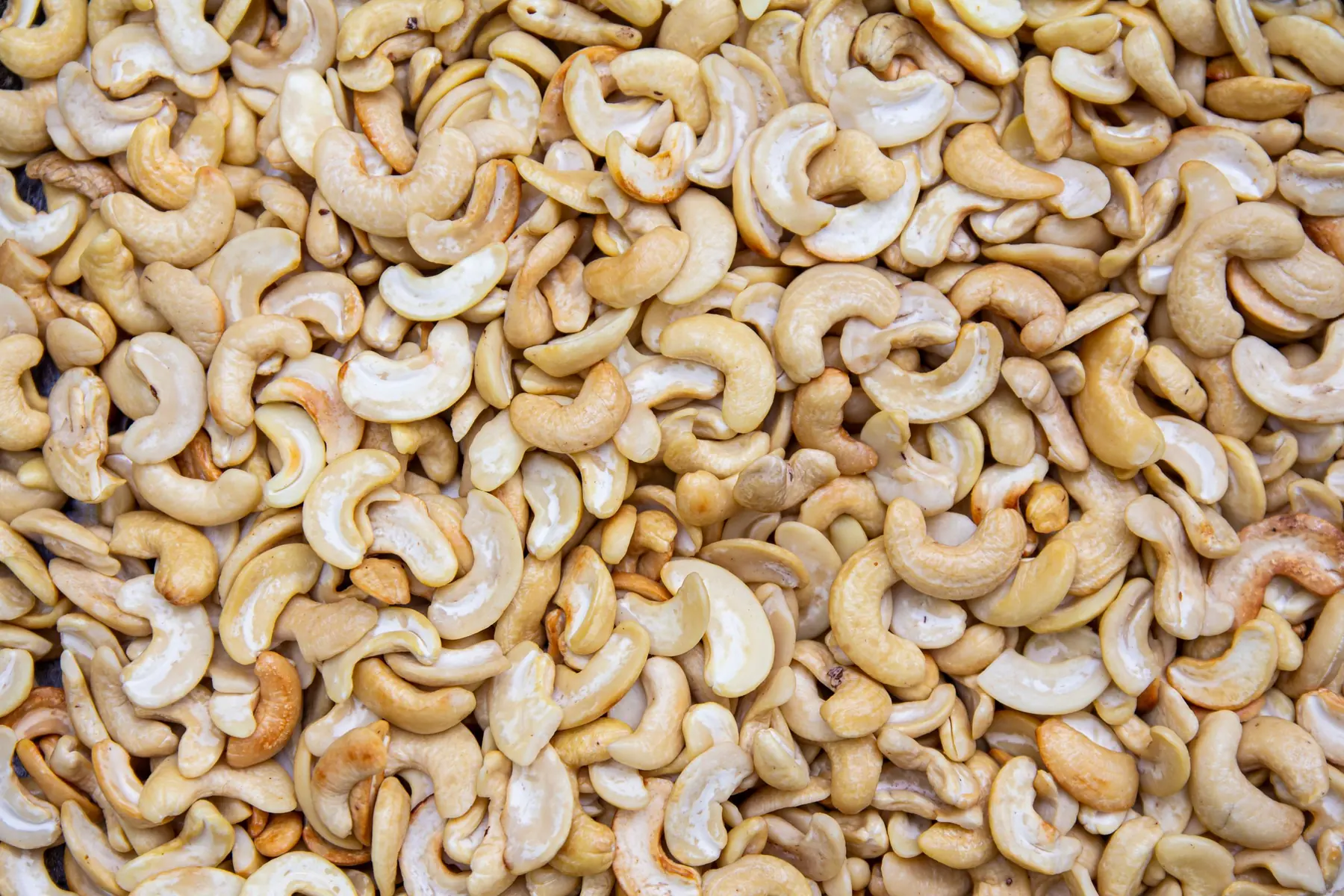
Quick answer: According to USDA data, 100 g of cashews provides about 553 kcal, 18 g protein and 44 g fat, plus plenty of magnesium, copper and zinc. 100 g of macadamias provides about 718 kcal, 8 g protein and 76 g fat, most of it monounsaturated. Both are energy-dense, so a sensible serving is about 30 g a day (a small handful).
Nutrition compared (per 100 g, raw)
Cashews
- Energy: about 553 kcal
- Protein: about 18 g
- Fat: about 44 g (mostly mono- and polyunsaturated)
- Carbohydrate: about 30 g, fibre about 3 g
- Notable minerals: magnesium (about 290 mg), copper (about 2.2 mg), zinc, iron
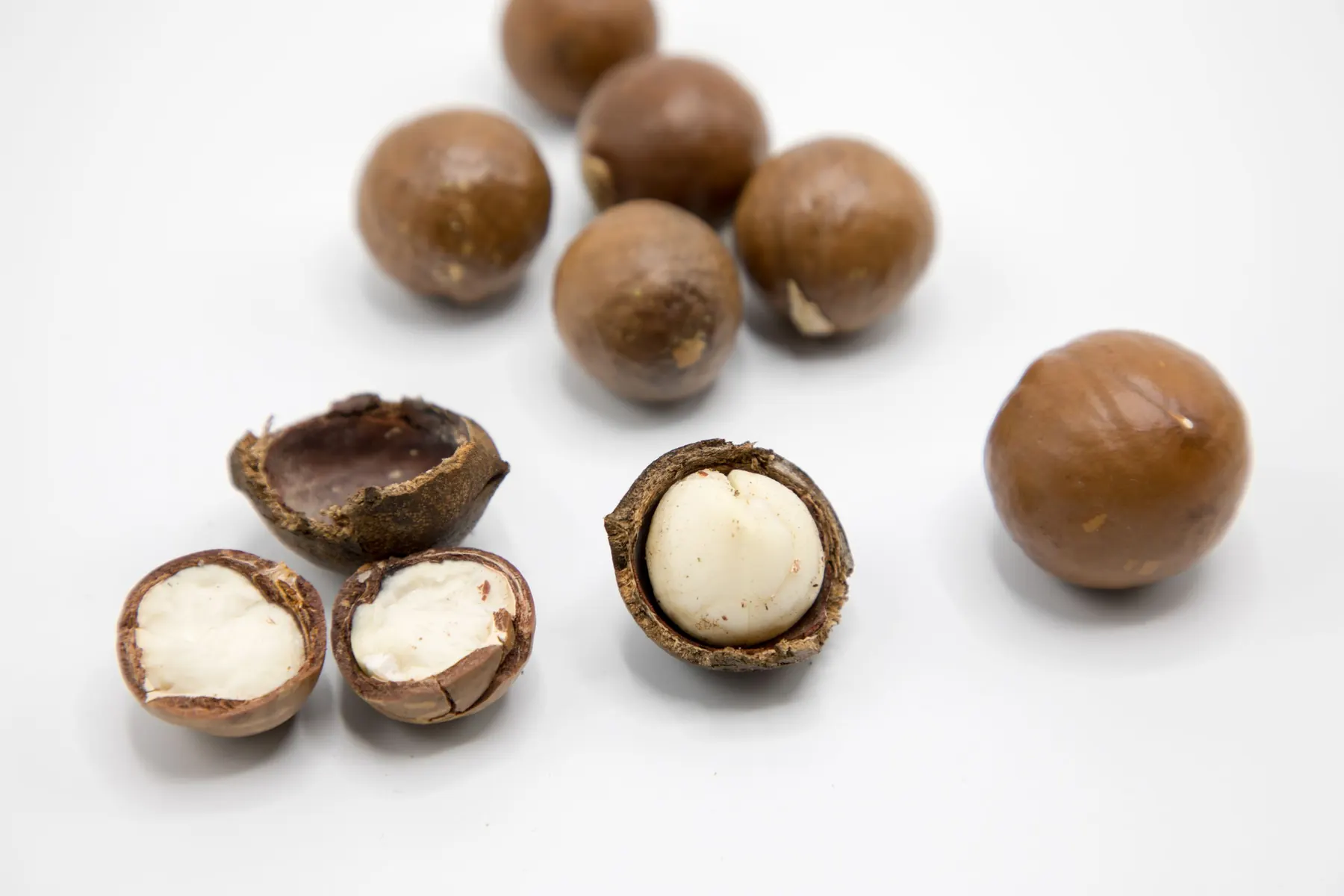
Macadamias
- Energy: about 718 kcal
- Protein: about 8 g
- Fat: about 76 g, of which about 59 g is monounsaturated
- Carbohydrate: about 14 g, fibre about 9 g
- Notable: manganese and thiamin (vitamin B1); macadamias are one of the few foods containing palmitoleic acid (omega-7)
Figures are averages and vary with variety, origin and processing (roasting, salting).
Who are cashews good for?
- People looking for plant protein, such as vegetarians.
- Anyone wanting more magnesium and copper from whole foods.
- Making nut milk, cashew butter and vegan cream sauces, thanks to their mild taste and smooth texture when blended.
Who are macadamias good for?
- People on low-carb or keto diets, thanks to high fat and low carbohydrate.
- Anyone swapping some saturated fat for monounsaturated fat.
- Snacking, salads, baking and macadamia oil.
How much is enough?
Many dietary guidelines suggest about 30 g of nuts a day, roughly 18 cashews or 10–12 macadamias. Choose dry-roasted or lightly salted nuts and count the energy in your daily total.
Allergy note: cashews and macadamias are tree nuts, a common cause of food allergy. People with a history of allergy should consult a doctor. This article is for general information and is not medical advice.
Frequently asked questions
Are cashews or macadamias healthier?
Each has its strengths: cashews offer more protein and minerals (magnesium, copper), macadamias more monounsaturated fat and fewer carbohydrates. Eating a mix of nuts is a balanced choice.
Do cashews make you gain weight?
Cashews are energy-dense, so eating a lot can add excess calories. About 30 g a day within a balanced diet makes them a good source of nutrients.
How many macadamias should I eat per day?
About 30 g, or 10–12 macadamias, is the commonly suggested serving.
Sources
- U.S. Department of Agriculture, FoodData Central (Nuts, cashew nuts, raw; Nuts, macadamia nuts, raw) — fdc.nal.usda.gov
- International Nut and Dried Fruit Council (INC), Nutrition Research — inc.nutfruit.org
VSAP cashews and macadamias are selected from Vietnamese growing regions, with retail packs that list ingredients and nutrition facts. See VSAP products.
— VSAP