Quick answer: The macadamia is native to Australia. It was trialled in Vietnam in the 1990s and has expanded quickly since around 2010. The Central Highlands, at roughly 500–1,000 m with a cool climate and red basalt soils, are now the country's largest macadamia region. The harvest there usually runs from about August to October. Quality depends heavily on picking at the right maturity and on prompt, careful drying after harvest.
Where are macadamias grown in Vietnam?
- Central Highlands: Dak Lak, Lam Dong (including the former Dak Nong) and Gia Lai and the former Kon Tum. This is the largest and most concentrated area.
- Northwest: Son La, Dien Bien and Lai Chau, with a cooler climate and a later harvest.
Macadamias are often intercropped with coffee or durian, or planted as dedicated orchards. Grafted trees start bearing after about 3–4 years and give stable yields from about 7–8 years old.
Why do macadamias suit the Central Highlands?
- Altitude and climate: warm days and cool nights help flowering and oil build-up in the kernel.
- Red basalt soil: deep and free-draining, suiting the macadamia's roots.
- A distinct dry season: helps trees flower evenly.
- Farming know-how: growers are used to perennial cash crops such as coffee and pepper.
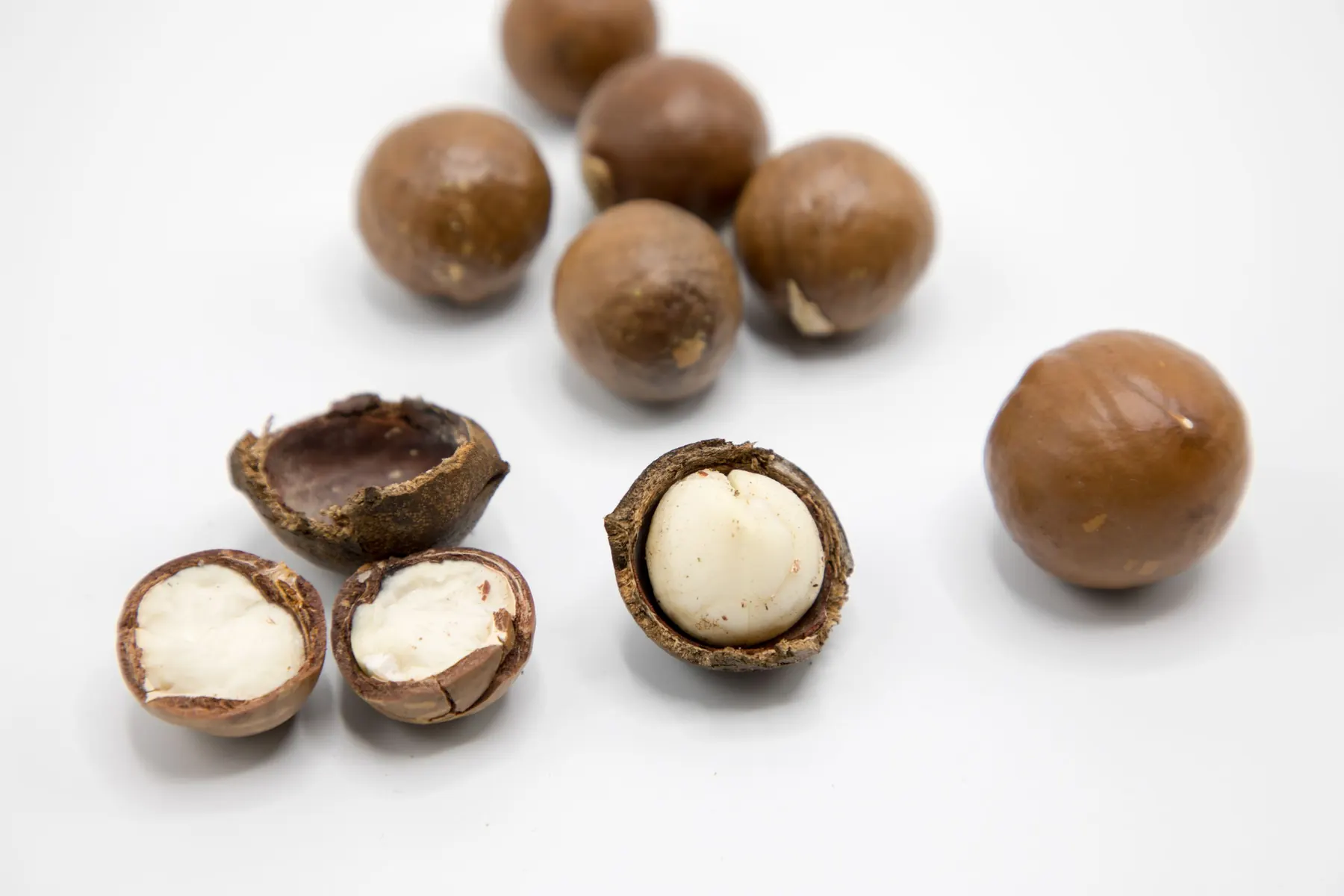
From fresh fruit to dried nut
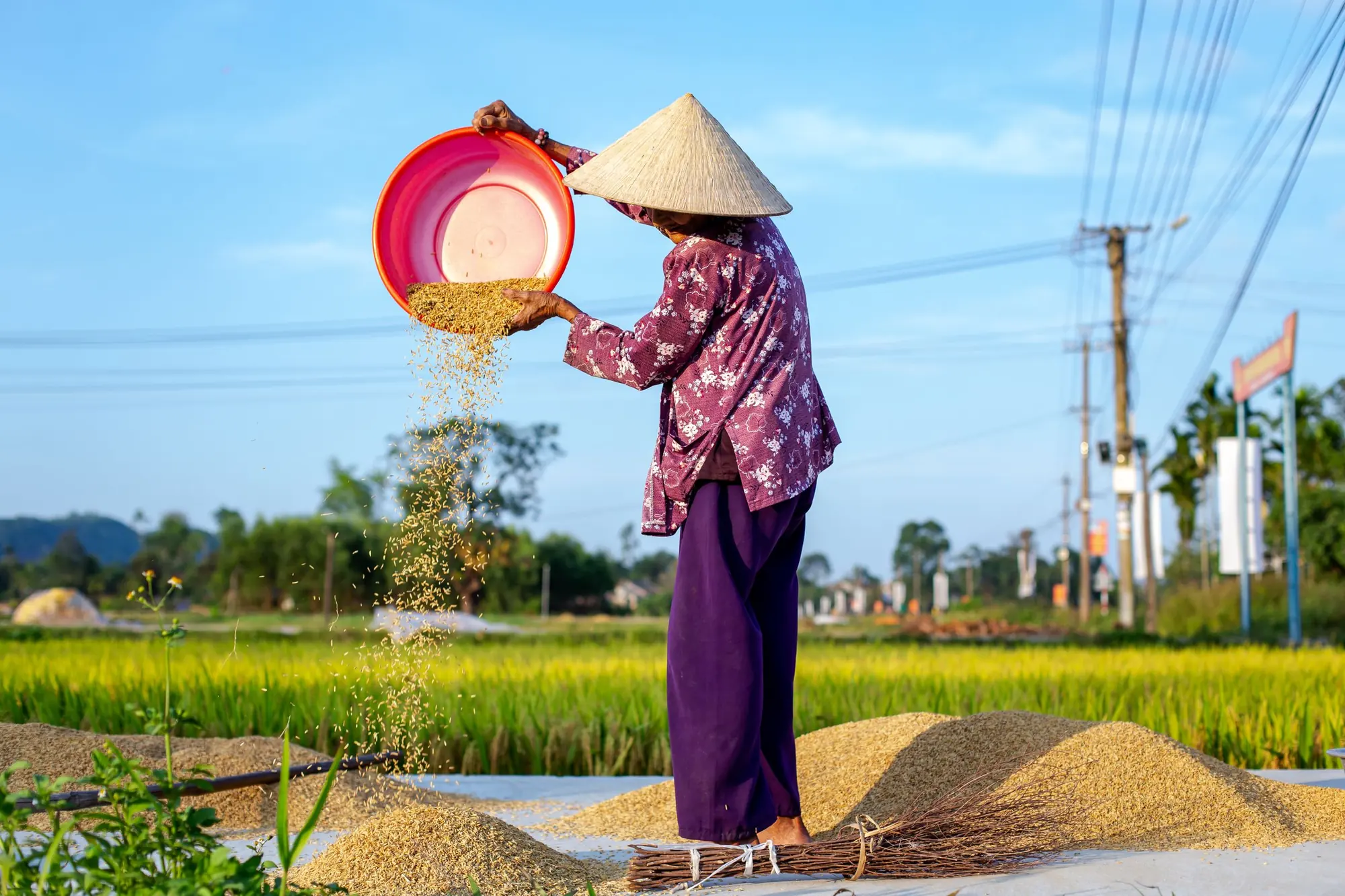
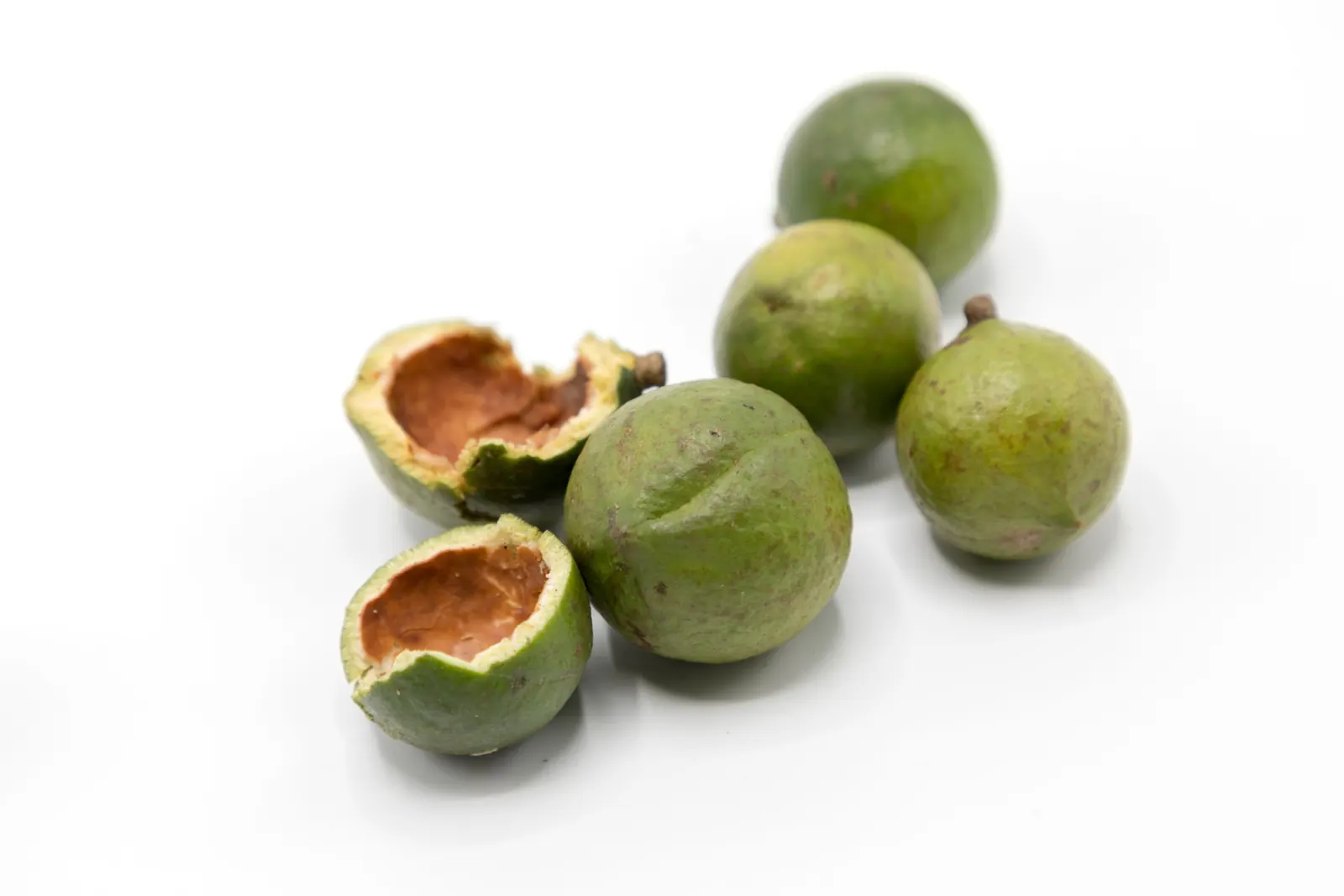
- Picking: mature fruit has a green husk that starts to split; nuts drop or are picked when ripe.
- De-husking: ideally within 24 hours of picking, to avoid mould and heat building up in piles of fruit.
- Sorting: remove floaters, empty and damaged nuts.
- Drying: in stages at rising temperatures, bringing kernel moisture down to about 1.5% for crunch, flavour and shelf life.
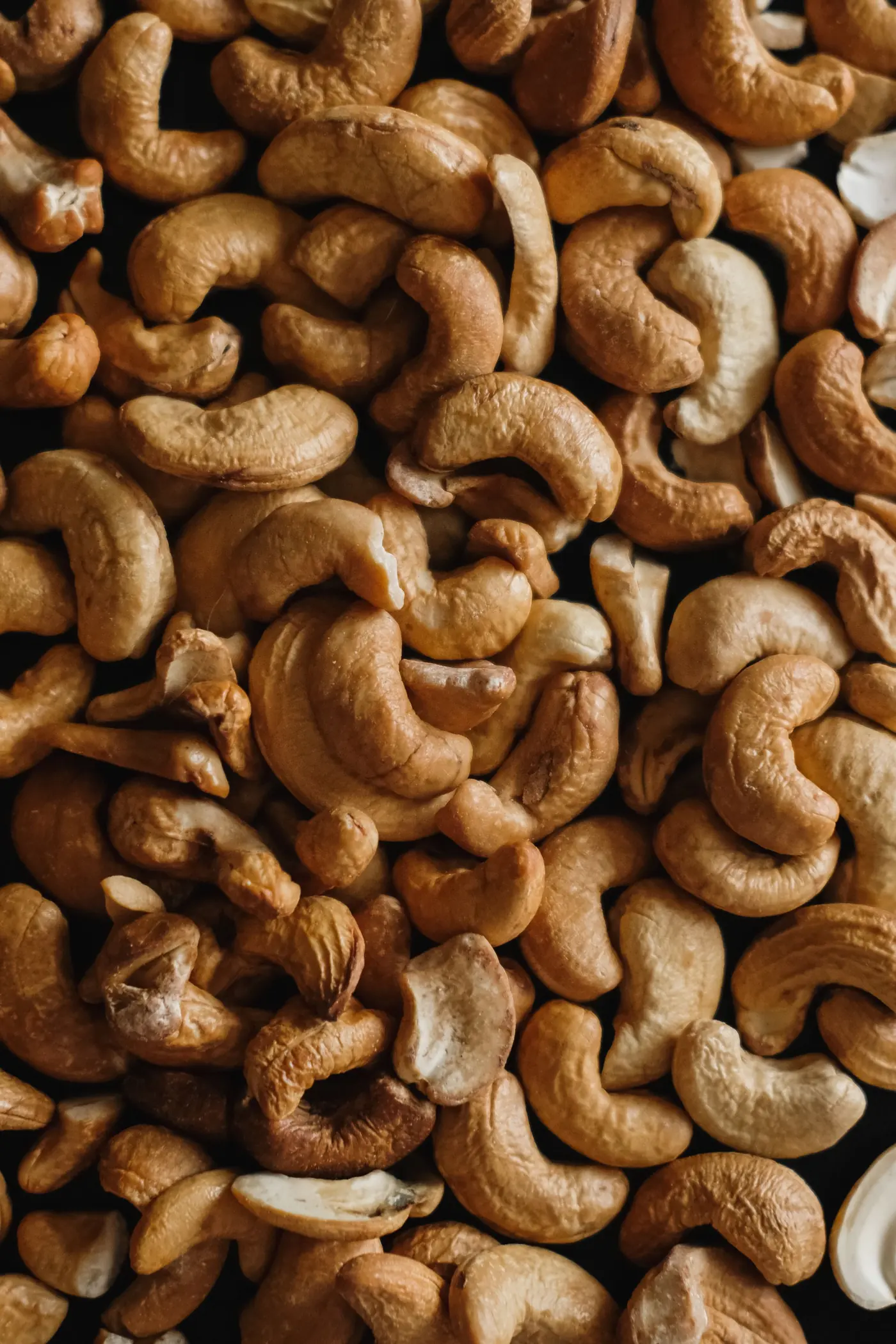
- Sizing and cracking: for cracked nut-in-shell (NIS) products, a slit is cut so consumers can open the nut with the key provided.
How do Vietnamese macadamias compare with imports?
Many Vietnamese orchards grow internationally common varieties such as OC, 246, 816 and 849. The main differences come from freshness (a shorter time from harvest to buyer) and each processor's handling and drying. When buying, ask for the harvest period, moisture and packing date of the lot.
Frequently asked questions
When are macadamias harvested in the Central Highlands?
Usually from about August to October, depending on altitude and variety. The Northwest harvests later.
Why are macadamias expensive?
Trees take years to reach stable yields, the shell is extremely hard so cracking is costly, and the kernel makes up only about 30–35% of the nut-in-shell weight.
Do cracked in-shell macadamias need roasting?
No. Commercial cracked macadamias are already dried and ready to eat. Keep them sealed in a cool, dry place after opening.
Sources
- Australian Macadamia Society — australianmacadamias.org
- International Nut and Dried Fruit Council (INC) — inc.nutfruit.org
VSAP is headquartered in Dak Lak, in the heart of the Central Highlands macadamia region. See our macadamia range or read on: macadamia NIS sizes and kernel styles.
— VSAP